COMPONENTS
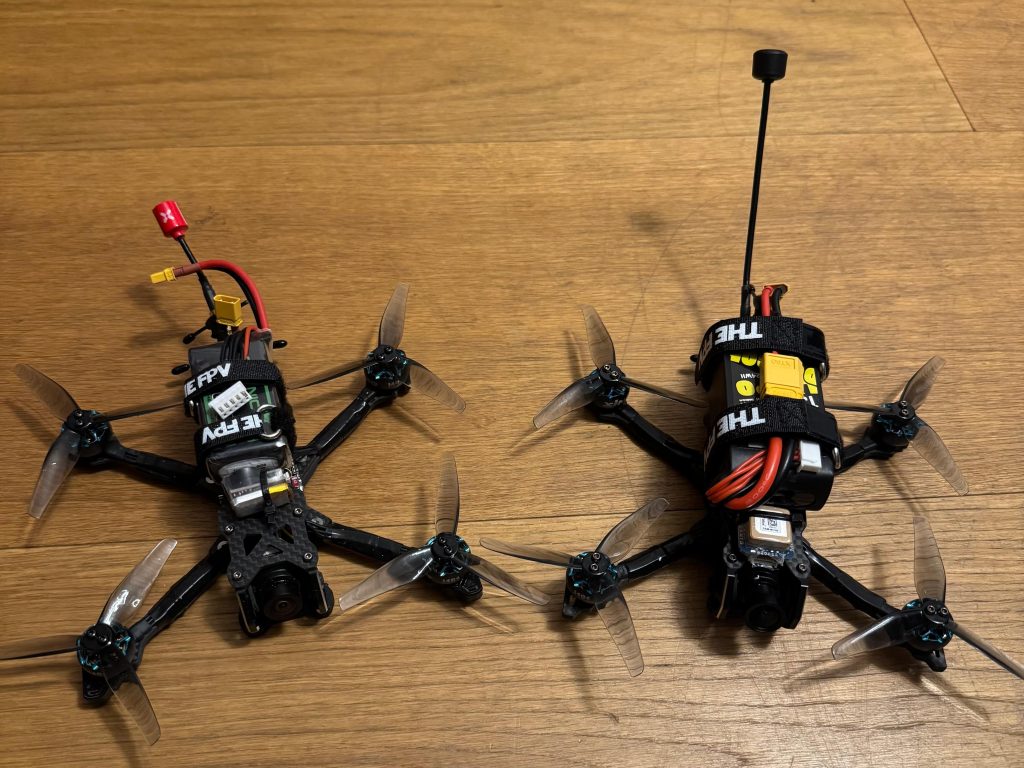
Even if you're not self-building a quad, but instead buying a "bind and fly" or "plug and play" quad - it's a good idea to get to know all of the major components. Look, at some point you're going to have to do repairs, so you may as well learn what's what now.
Frame
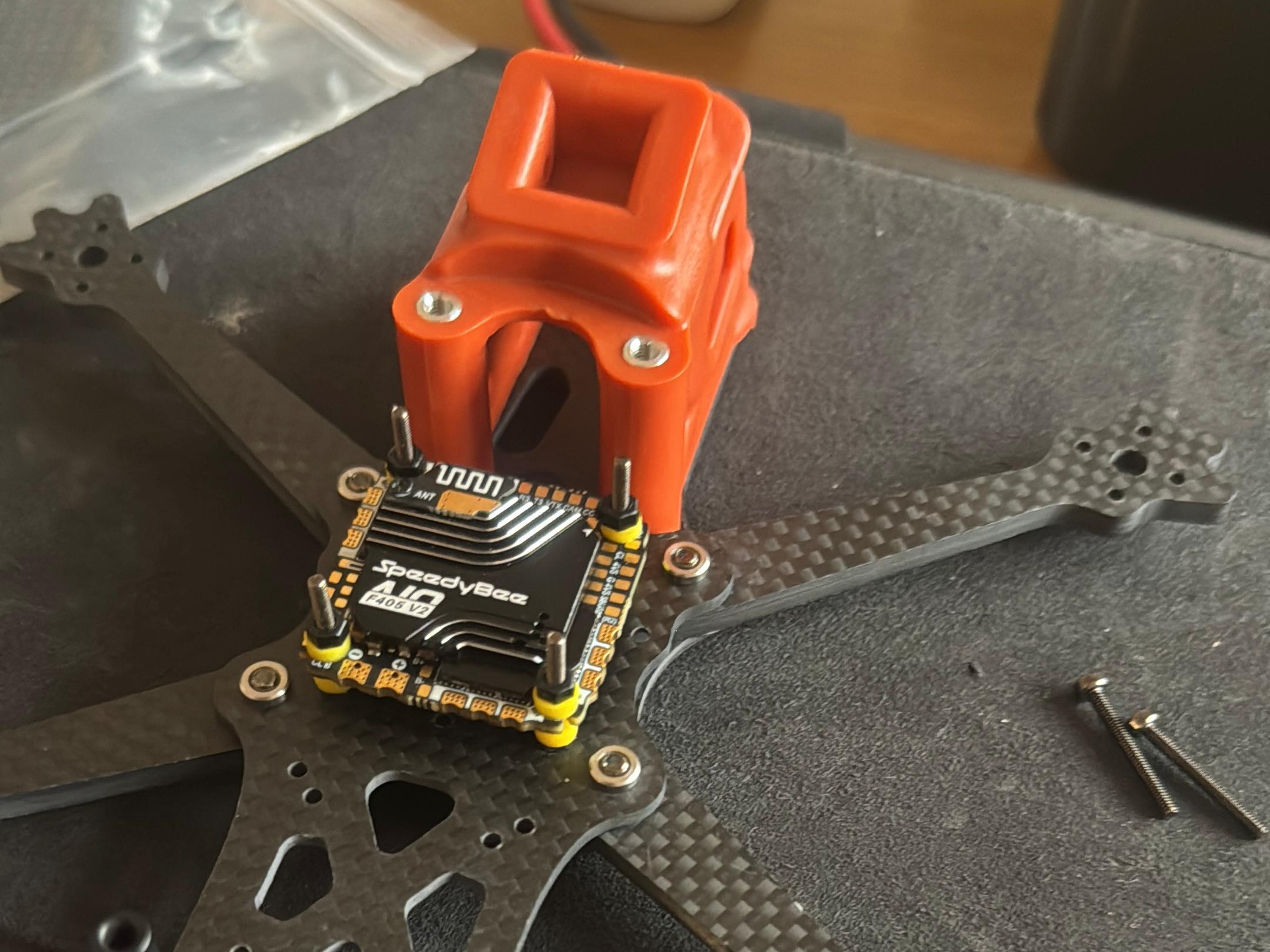
The frame is the body that holds all of your components in place and sets restrictions on many of your component choices. It'll limit the maximum prop size you can run, which will impact your motor size. Some are optimised for long range flying, some for lightweight builds, and others are bando bashers. Learn more...
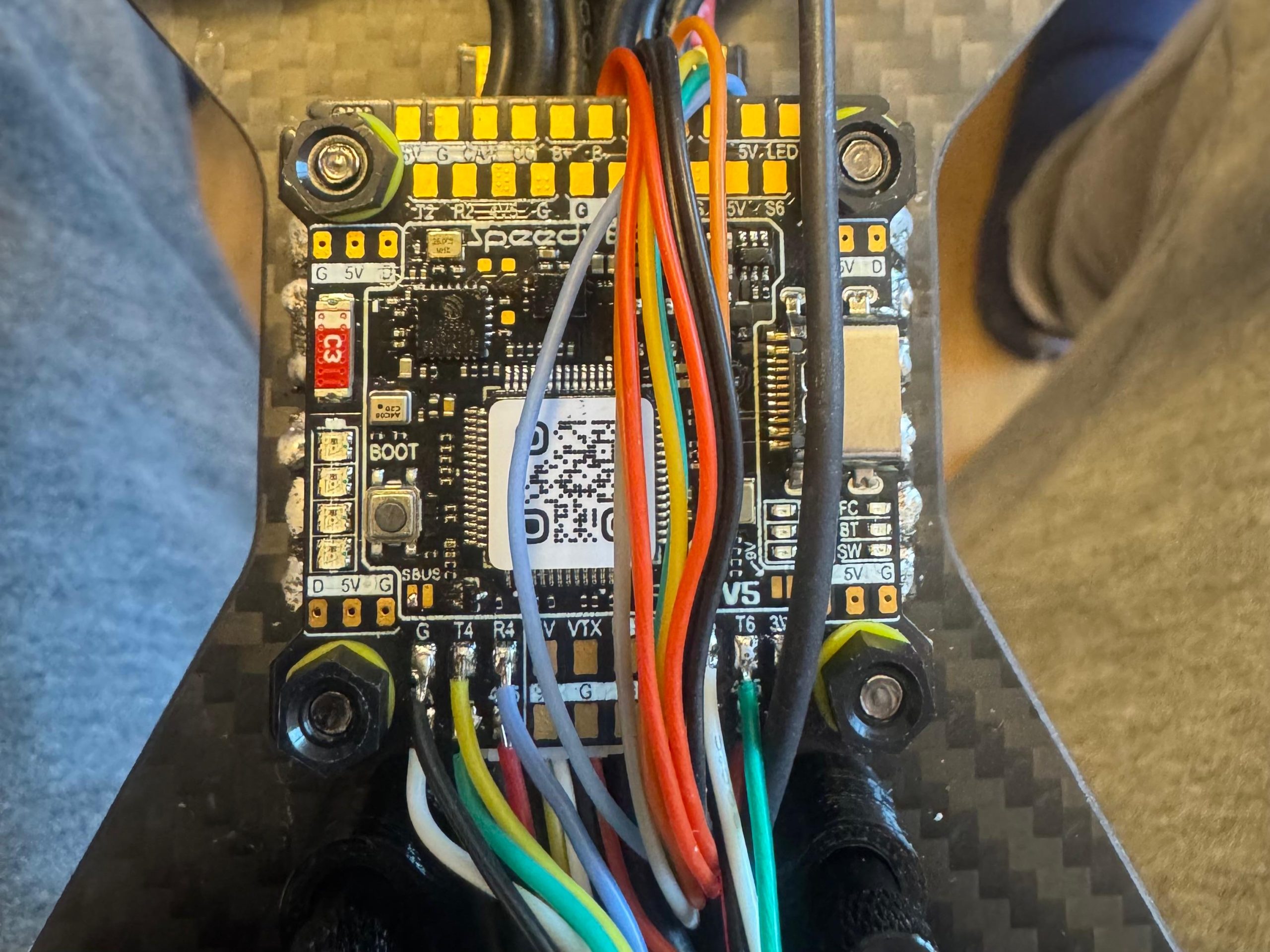
Flight Controller (FC)
The flight controller is the brain of your quad. Its sensors determine what your quad is doing and it receives inputs from your receiver and determines what your motor controller needs to do. There are also "All in One" options which combines several components onto one board. Always an FC and ESC, but sometimes things such as a receiver or VTX too. Learn more...
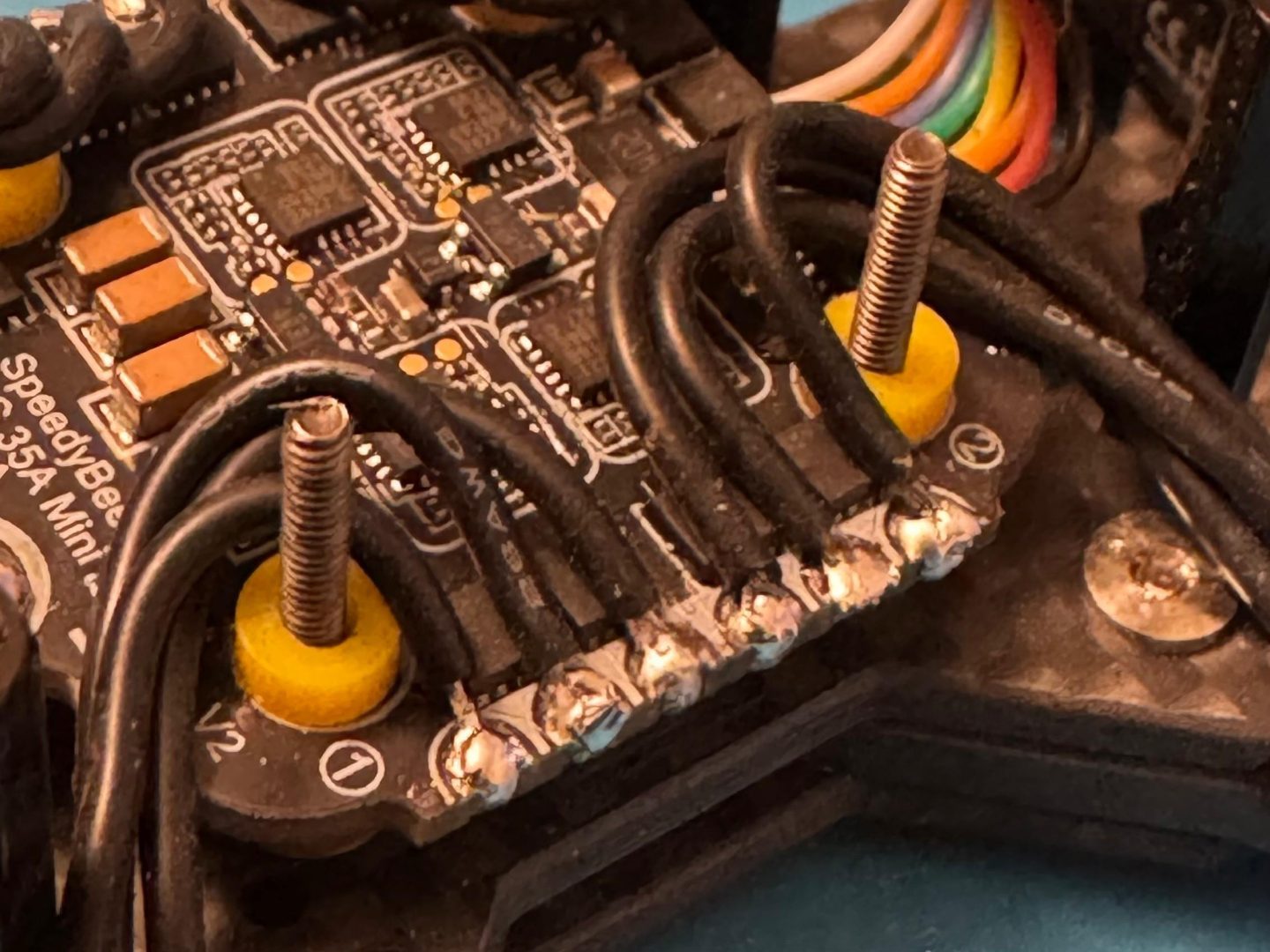
Electronic Speed Controller (ESC)
The ESC interfaces with your motors and controls their speed and direction. If you use a separate FC and ESC we call this a "stack". Whilst your FC is likely running firmware like Betaflight, iNav, Ardupilot, your ESC is likely running something like BLHeli_S, Bluejay, BLHeli_32, or AM32.
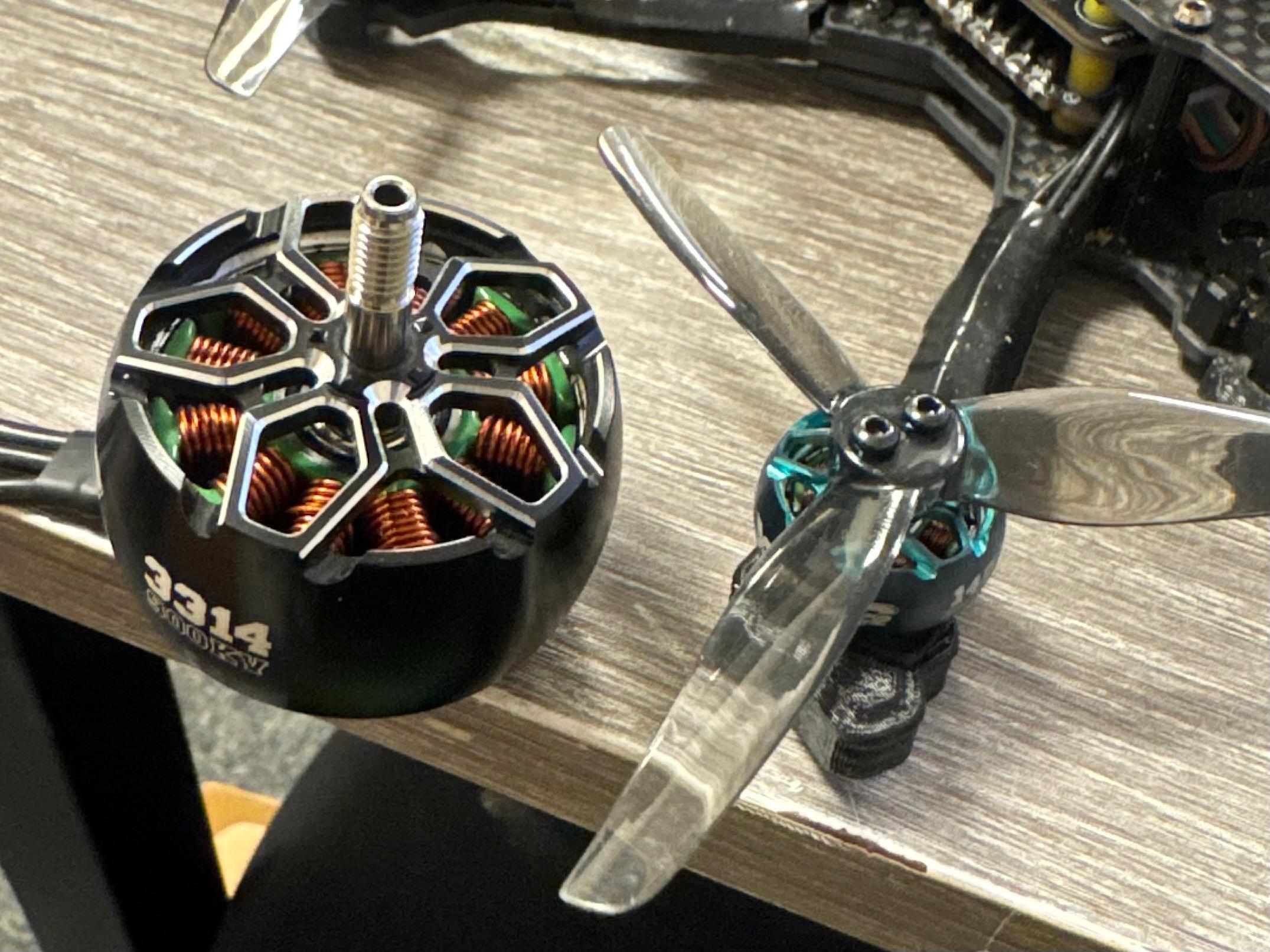
Motors
Motors take input from your ESC and spin your propellers. Understanding motors can be surprisingly complicated, you'll need to learn about stator size and KV. Bigger stators offer more torque and power, and higher KV offers more RPM per volt - but you'll need to balance weight and heat.
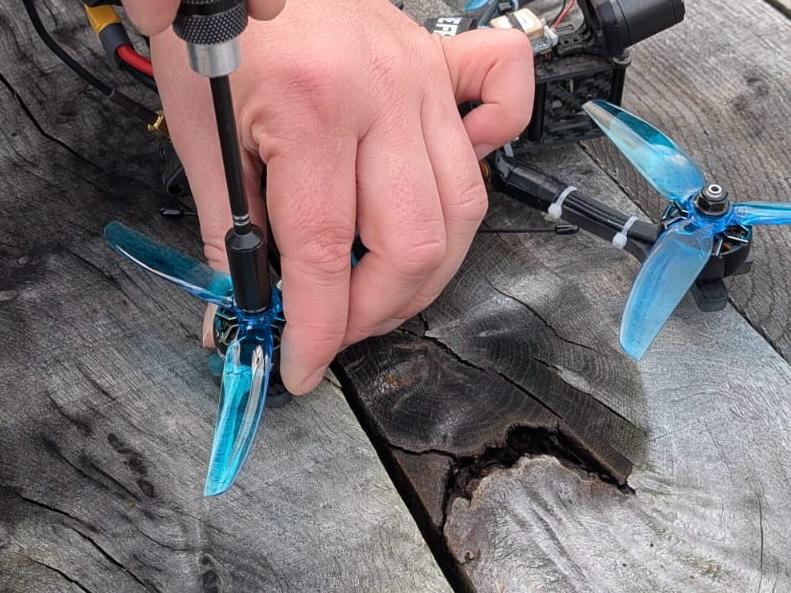
Propellers
Props spin and generate lift, but again you've got choices on size, pitch, and number of blades. More blades reduce efficiency (and therefore flight time) but give more "grip" in the air. Pitch can impact your top speed, but also flight efficiency, and prop wash.
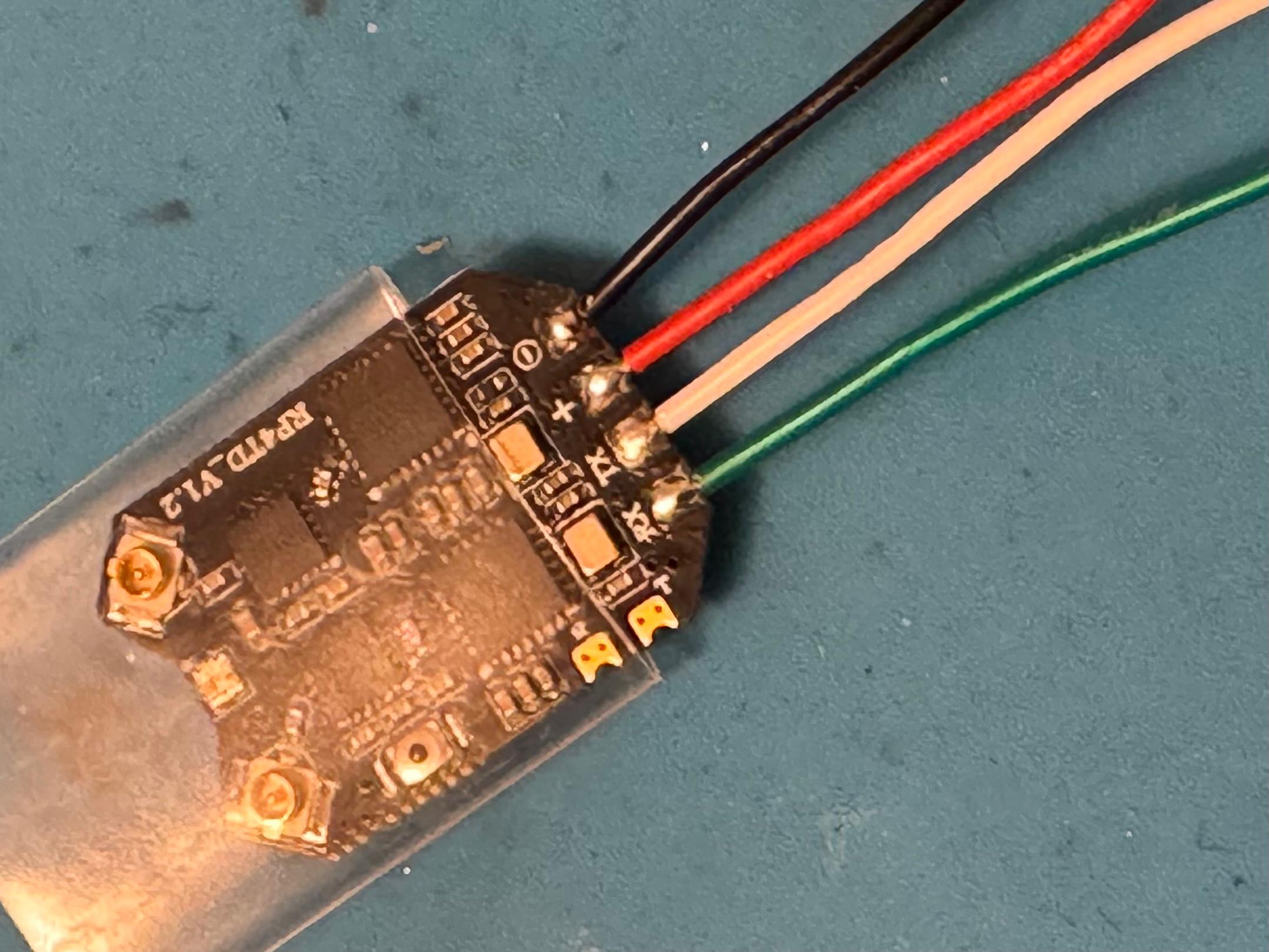
Receiver
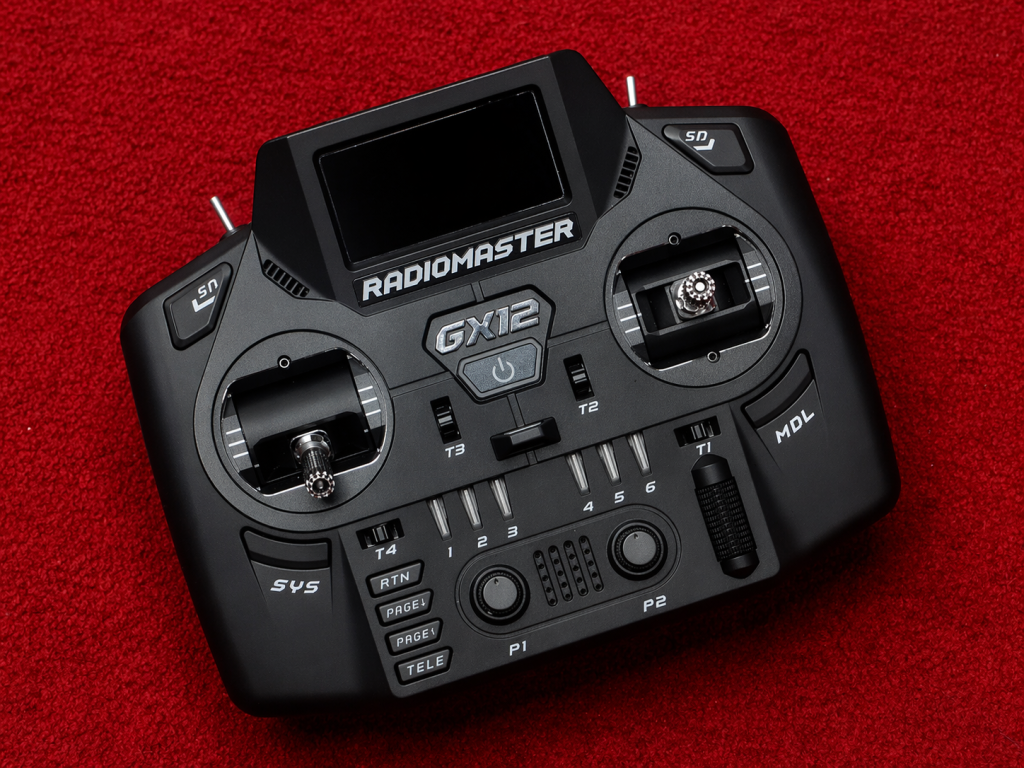
The receiver receives signals from your controller and feeds that to the flight controller. This includes all inputs from your controller such as gimbal movements but also switch movements. It can also feed telemetry such as battery voltage back to your controller.
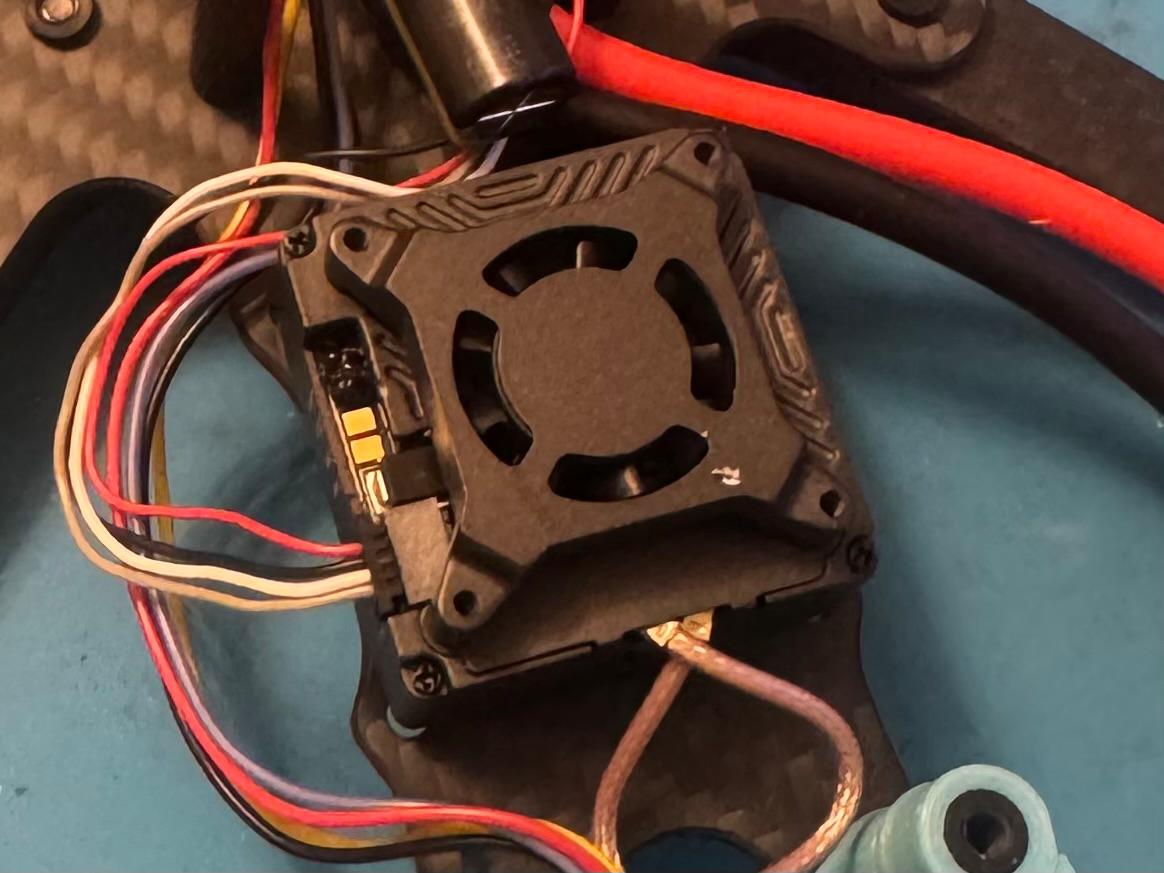
Video Transmitter (VTX)
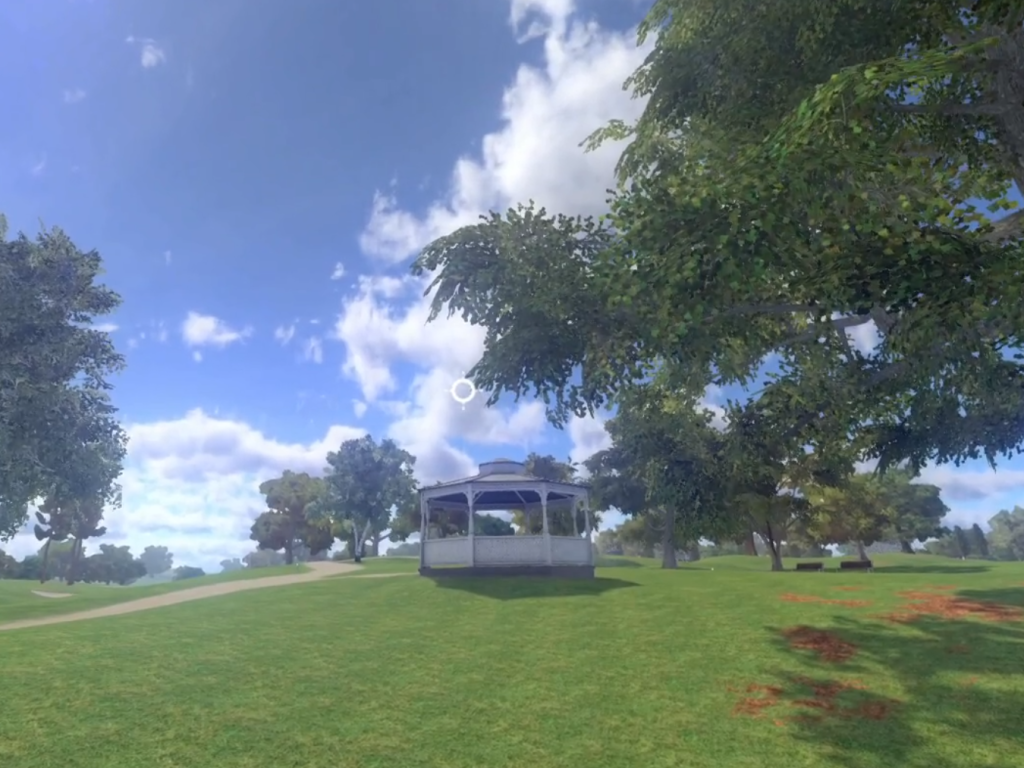
The VTX takes what your camera sees and transmits it to your goggles. Some regions will limit maximum power. Your VTX choice will be determined by what system you want to use (analogue, DJI, Walksnail, HDZero) and will limit your choice of camera and goggles.
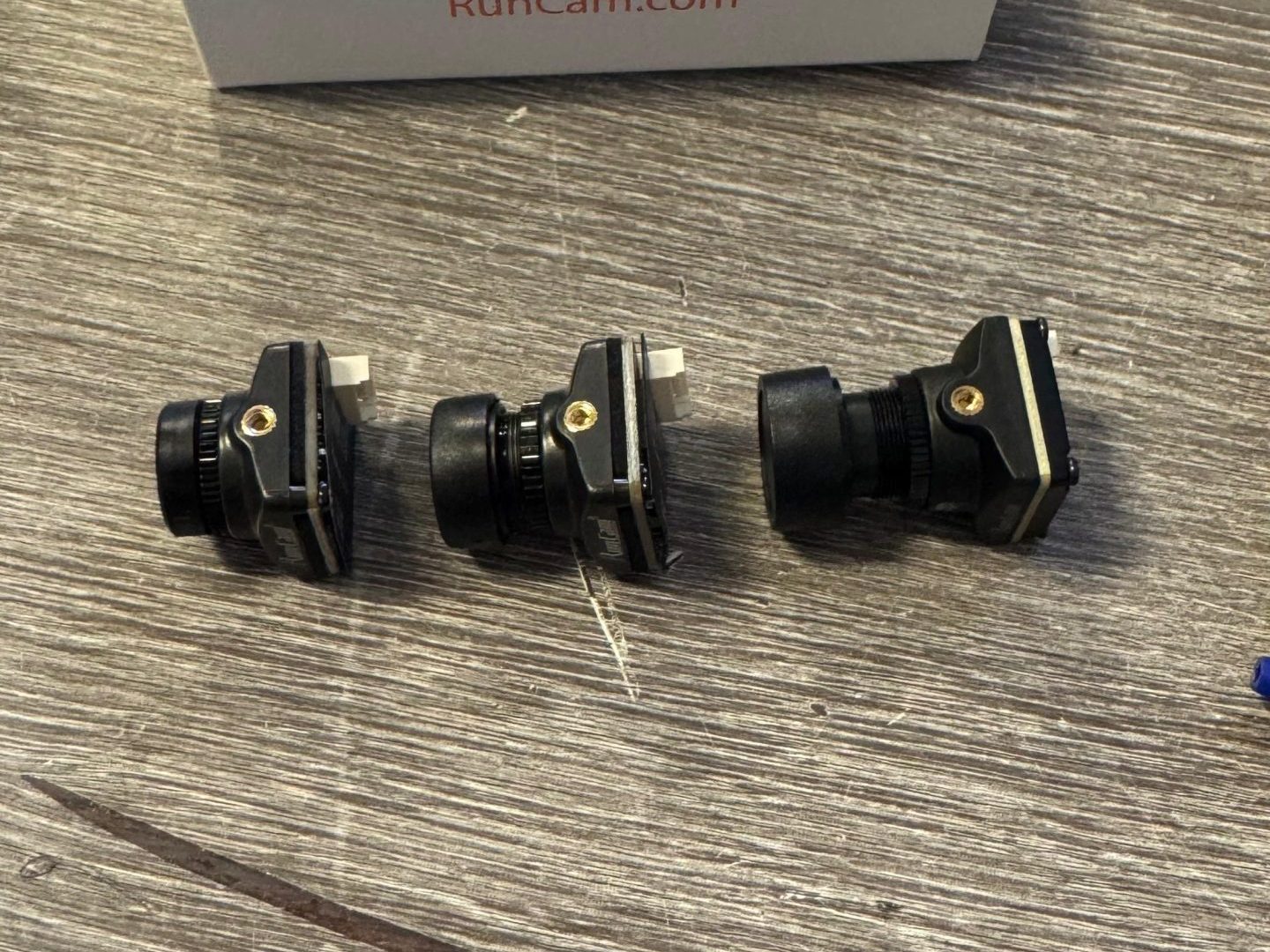
Camera
Your camera choice will impact your resolution, frame rate, and field of view (depending on the lens). Some digital systems are quite restrictive in their camera choices but other systems, and certainly analogue, have a wide range of options depending on what you're optimising for.
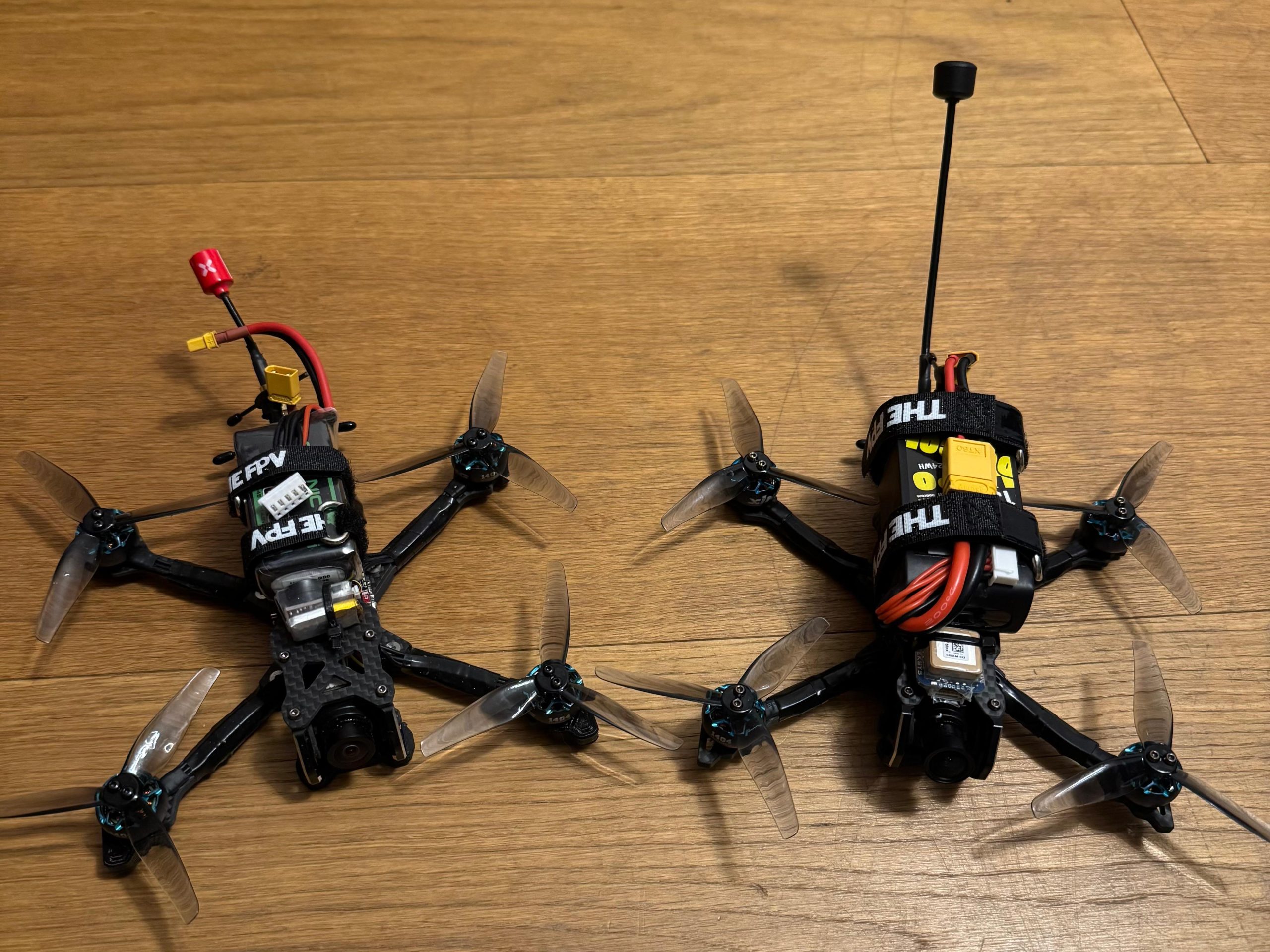
Antennas
You'll need antennas on your receiver, controller, VTX, and goggles. The antenna needs to be for the correct frequency (e.g. 868MHz, 2.4GHz, 5.8GHz). You'll also need to think about directionality (omni, patch, crosshair, yagi) and you need to match your polarization (linear, RHCP, LHCP). Learn more...
Batteries
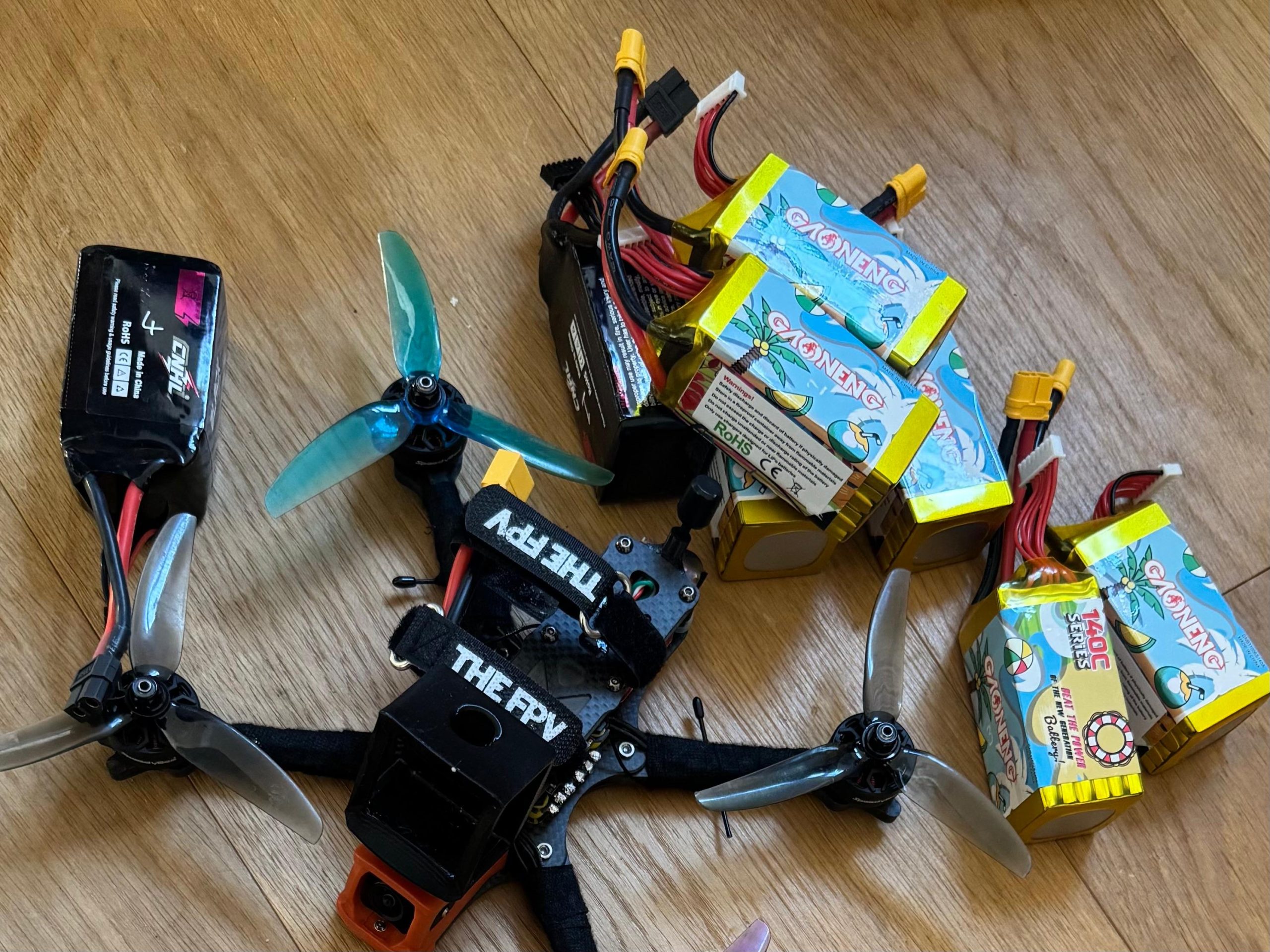
The most critical part is selecting the appropriate number of cells which sets your voltage range, e.g. 1S, 2S, 4S, 6S. Once you're on the correct voltage for your stack you have a choice of capacity which will impact weight. Bigger isn't always better, because it'll often bring along more weight. Learn more...
GPS + Compass
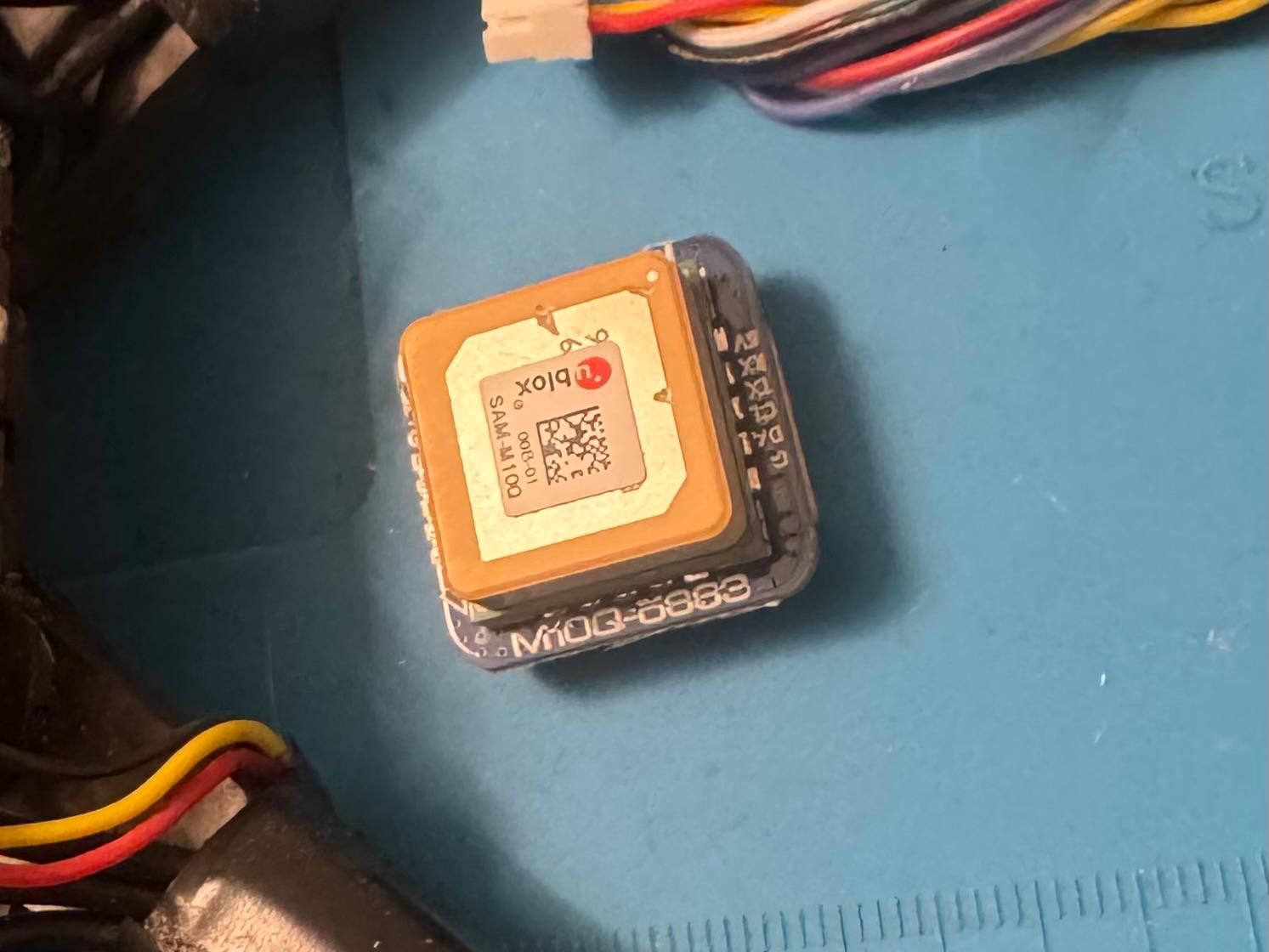
GPS lets your quad know where it is and the compass will let it know its heading. Location helps when you crash, but these components also bring in options for automation such as automated return to home (RTH), position hold, and the ability to fly set flight paths - depending on your FC's firmware.
Buzzer
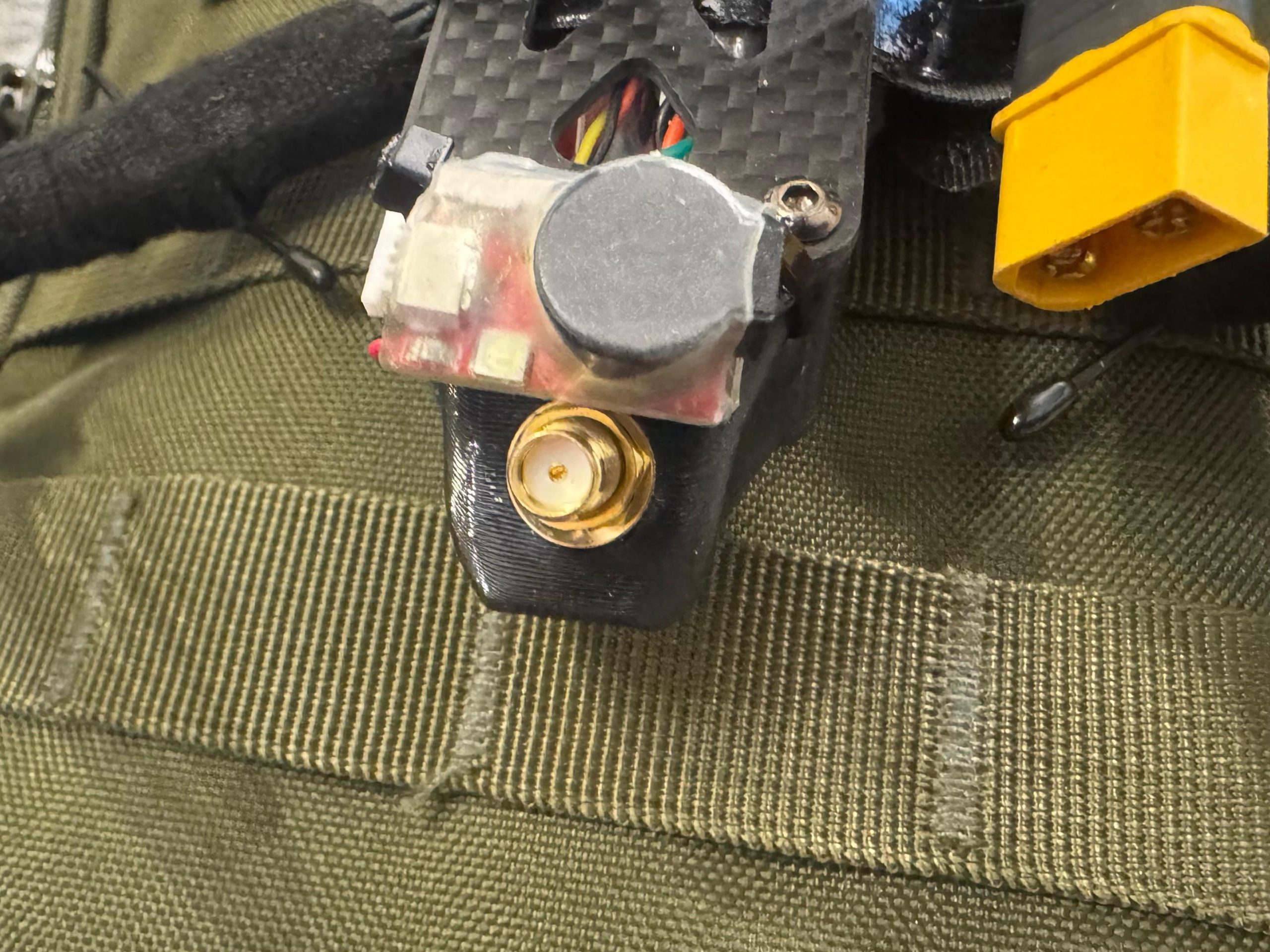
Look, at some point you're going to crash your quad in the long grass and you're going to learn why we fit buzzers. Some buzzers have their own battery in case your crash involves ejecting your main battery or your quad is damaged to the point that it loses power.
Action Camera
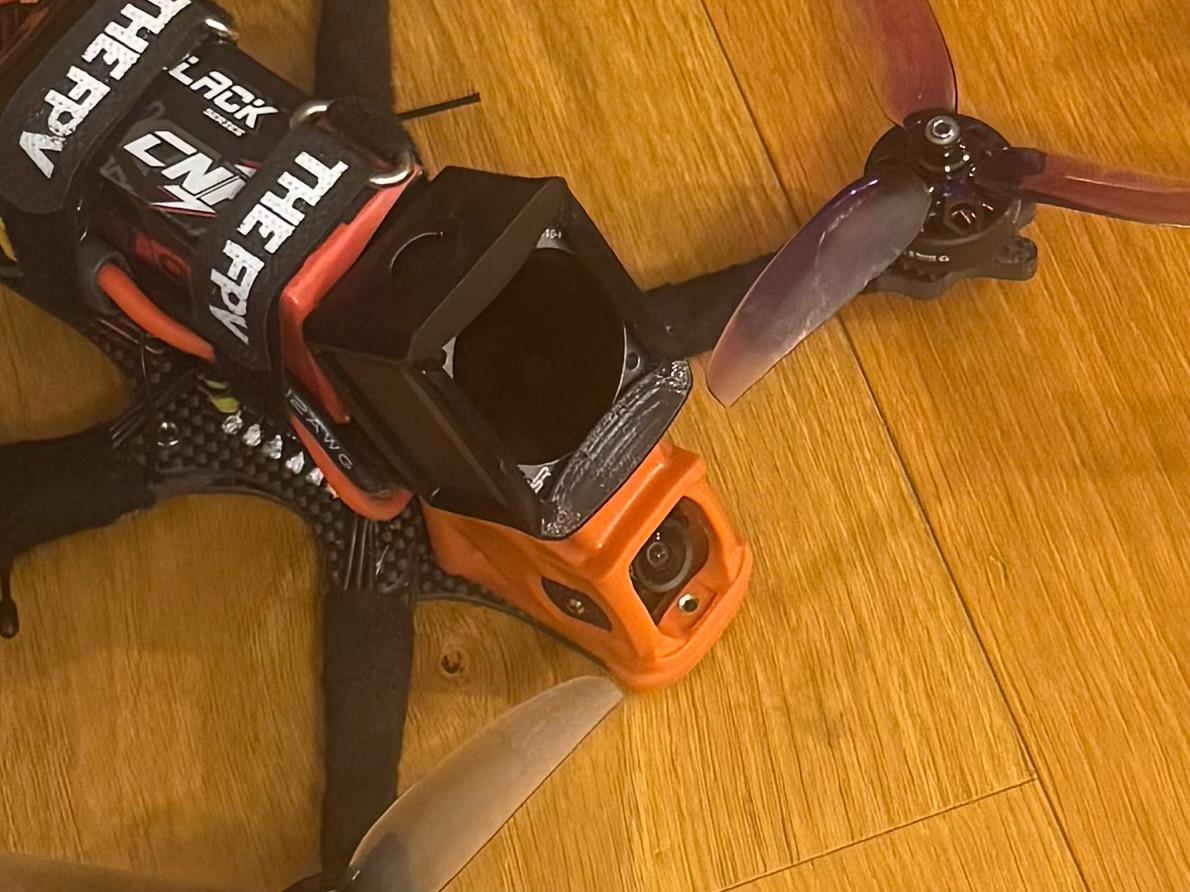
Those that fly video systems like DJI O4 Pro will be confused why some of us carry action cameras on our quads; but action cameras let you record video in a different format (FPS, resolution, direction) to your FPV camera. For example, I can run my HDZero VTX in 540@90, but run my action camera at 4k@60.
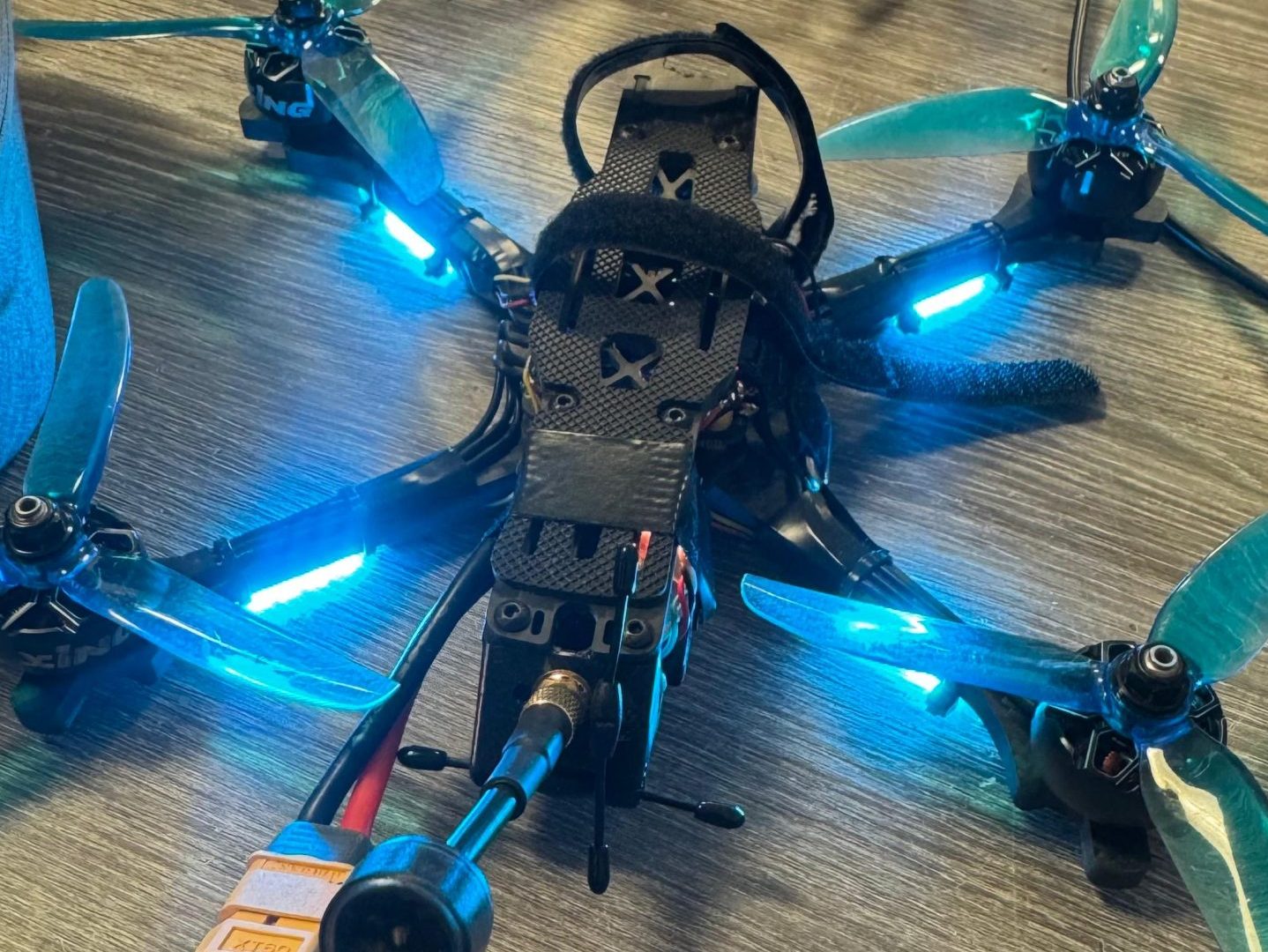
LEDs
You won't fly any better by fitting LEDs to your quads, but they do look really cool. Plus they can be programmed to give visual information about your quad's configuration, such as throttle level, flight mode, VTX frequency, GPS state, and more.